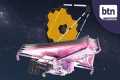
James Webb Telescope Saw First Object Beyond Dark Ages, But What it Found Stunned Everyone
📍 Tired of waking up when the video ends? Beyond the Stars plays all night long → https://surl.lt/mybnql
Subscribe To: @the_cosmicdrift
The James Webb Space Telescope is designed to look further back in time than ever before. This episode explores what happens when we push that boundary to its limit, and what may lie beyond the cosmic dark ages.
What You’ll Learn - What the “dark ages” of the universe actually were - How JWST detects the earliest light in the cosmos - Why early galaxies challenge existing theories - What unexpected discoveries could reshape our understanding of cosmic history
Summary
For the first time, we are beginning to see light from the earliest structures that formed after the universe’s dark ages. This video reflects on what the James Webb Space Telescope is revealing at these extreme distances, where galaxies appear earlier, brighter, and more complex than many models predicted. By exploring how infrared observations allow us to peer through cosmic time, the episode offers a calm look at why these discoveries are both exciting and unsettling. Each new observation does not just answer questions. It raises deeper ones about how the universe formed and evolved.
About Cosmic Drift
Cosmic Drift explores the universe at a slow, unhurried pace where space science becomes something you can rest with. Each episode traces astronomy, physics, and cosmic mysteries through gentle storytelling, designed to quiet the mind while expanding perspective.
We move softly through stars, nebulae, black holes, and early universe questions, focusing on clarity rather than complexity. There is no rush here, no spectacle only calm explanations, spacious pauses, and a sense of wonder meant to help you unwind.
This is a place to drift, to listen, and to fall asleep thinking about the vast, quiet beauty of the cosmos.